
In the creative arts, money is often treated the way a Victorian parson regards an exposed ankle—an embarrassing lapse in taste, and quite possibly evidence of a compromised soul.
The trouble with sneering at solvency, as any grocer or shoe repairman could tell you, is that without it nothing endures. Authors who pour years of hard-won expertise into a manuscript deserve a publisher that will still be standing when the books arrive from the printer, and one solvent enough to pay editors, designers, and publicists on time.
Three years in—an eon in independent publishing—Sutherland House Experts is still here, and growing steadily. Our top-line revenue grew over 100 percent from 2024 to 2025, and we’re expecting a modest operating profit for 2026. Based on contracts already signed, next year will be healthier still. We got here by refusing to build a one-legged stool: alongside our core publishing, we run a retainer-based editorial advisory practice for technical experts and an informatics arm that distills complex datasets into technical briefs for businesses.
Organizations, it turns out, increasingly want to stand behind serious books by their leaders and faculty—which is why we have recently signed agreements with a world-leading American research university and an international NGO more than a century old.
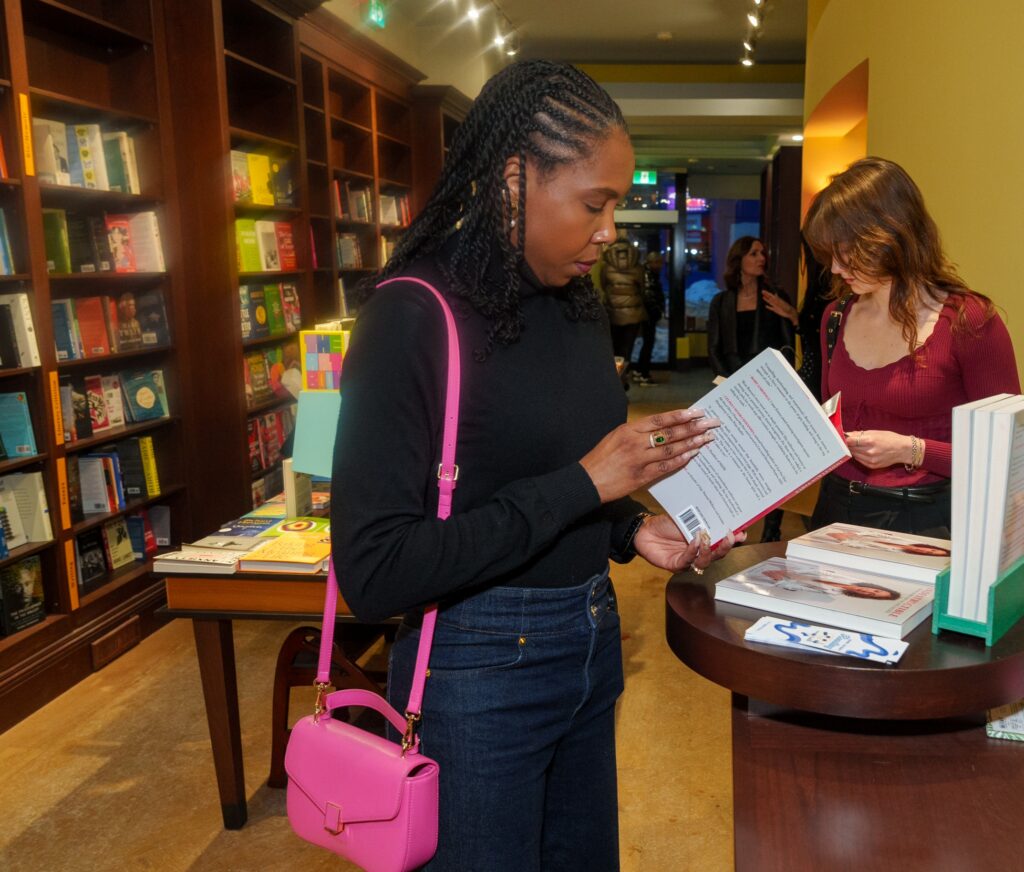
For an author, however, the real test of a press is what happens to the books—and how the writers are treated.
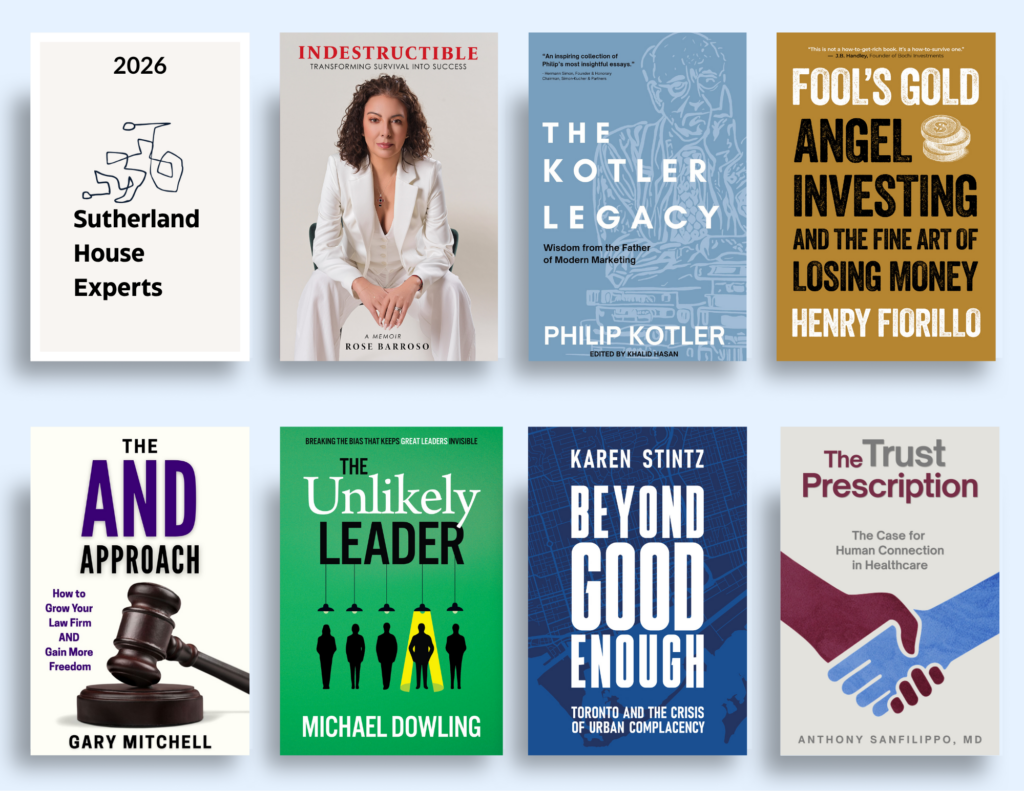
Over here at SHE, we have been quietly redefining what it means to be a “hybrid” publisher. Not long ago, hybrid was a polite euphemism for a vanity press with smarter typography: take all comers, cash the cheque, print a few dozen copies, and shoulder on. We took the opposite tack, drawing inspiration from a new generation of Canadian and American presses determined to shake up a staid industry.
We now accept less than 10 percent of the proposals that cross our desk. Depending on an author’s risk tolerance and the work’s commercial prospects, we calibrate the arrangement: for some, we share risk through an author subsidy paired with higher royalties; for others whose books show strong commercial potential, we assume the risk ourselves, with little or no subsidy at all.
That arrangement begins with frank conversations, something publishing is not always eager to have. Many traditional houses no longer bother replying to unagented submissions. Even among what legacy publishers snootily call “midlist authors,” small advances rarely earn out, and rarer still is the writer who feels a large house, juggling dozens of titles, has lavished real attention on publicity. Writing a book is a precarious way to get rich; there are far better reasons to do it. Here is one: it is deeply satisfying to make a dent in the writerly universe. So much so that more than 20 percent of our signed authors have already submitted proposals for a second book with SHE. In any business, repeat customers are the only focus group that matters.
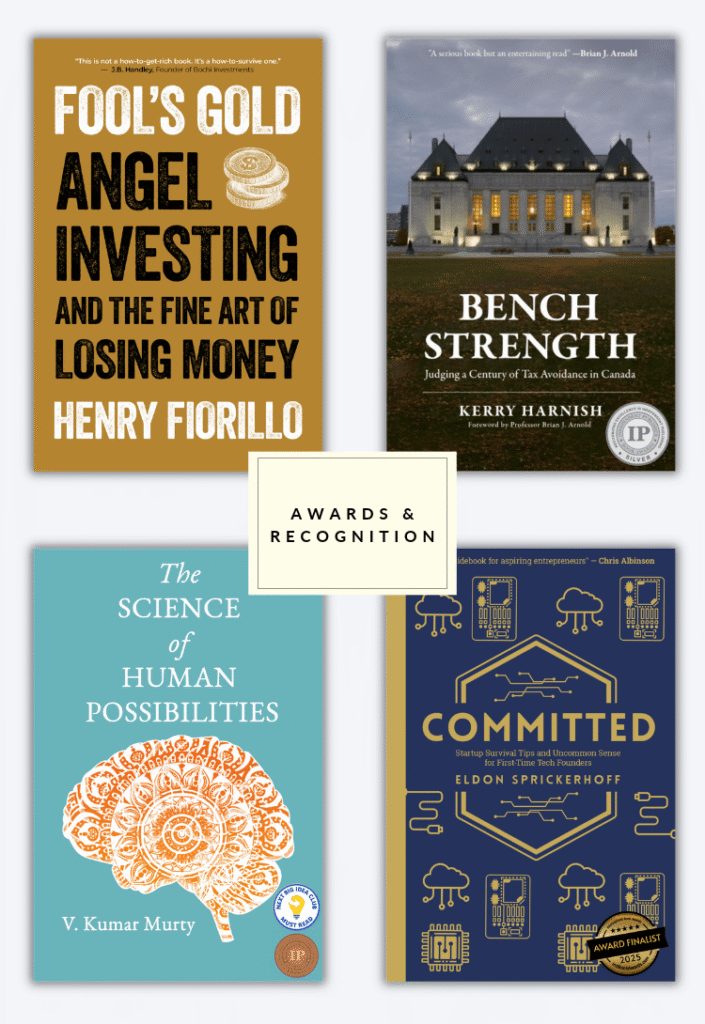
Meanwhile, our books have been finding readers, winning prizes, and crossing borders—all without a dollar of government arts grants. Just this month, Henry Fiorillo’s Fool’s Gold: Angel Investing and the Fine Art of Losing Money was named a finalist for the 2026 Best in Business Book Awards by the Society for Advancing Business Editing and Writing (SABEW), placing an upstart Canadian independent press alongside legacy publishing houses. Before that, Kerry Harnish’s Bench Strength won Silver at the IPPY Awards; Kumar Murty’s The Science of Human Possibilities earned an IPPY Bronze; and Eldon Sprickerhoff’s Committed became a finalist in the 2025 International Book Awards. We have also just closed our first international rights deal, selling certain rights to a leading Italian publisher.
Still, three years in this trade will knock the swagger out of anyone.
Three humbling truths stand out:
First, books are complex physical objects with real costs. Paper, freight forwarding, warehousing, publicity, copyediting, indexing—every title is a tiny manufacturing startup with its own supply chain and its own fragile ego. Anyone who romanticizes publishing should spend an afternoon with a customs broker invoice.
Second, subtitles are uncannily important. A clever main title gets a browser to pick up a book; a clear, muscular subtitle persuades them to carry it to the register. Never underestimate the commercial power of telling a reader, in ten words or fewer, what your book is actually about. Treating a subtitle as an afterthought is like building a beautiful home and forgetting to put the address on the door.
Third, stay curious. You never quite know which book will catch fire in Milan, which quiet academic will charm a panel of reviewers, or which manuscript pitch will turn into a second volume.
A solvent, independent publisher can afford to say no to bad manuscripts and fashionable orthodoxies—and yes to an unorthodox book whose author has spent decades learning something the rest of us ought to know. That is what we do.
We are Sutherland House Experts. Pitch us at: info@sutherlandhouseexperts.com